
Retrofitting Older Shaker Systems: When & How to Upgrade
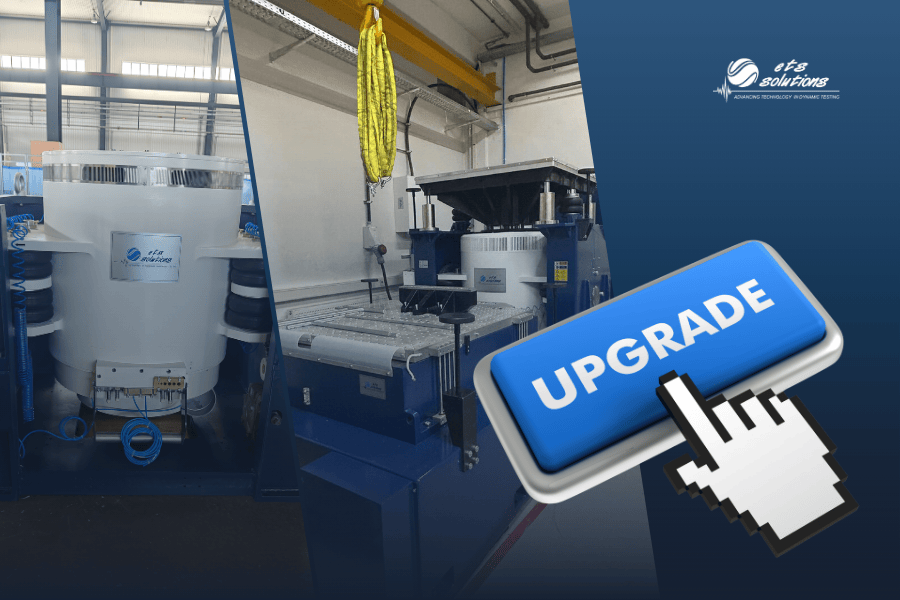
Many vibration test laboratories still operate shaker systems installed 10, 15, or even 20 years ago. While the mechanical shaker itself often remains structurally sound, supporting components such as amplifiers, controllers, and accessories can become outdated, inefficient, or difficult to maintain.
Retrofitting is often the most practical solution, allowing labs to extend system life, improve performance, and meet modern test standards without replacing the entire system.
This guide explains when retrofitting makes sense, what components to upgrade first, and how ETS Solutions supports retrofit programs, including amplifier replacement and full system modernization.
Why Consider Retrofitting Instead of Replacing the System?
A full system replacement requires major capital investment, facility downtime, and new infrastructure adjustments. In many cases, the core shaker remains mechanically capable, and targeted upgrades can deliver comparable performance improvements at significantly lower cost.
Common benefits of retrofitting include:
Extended equipment lifetime
Higher system efficiency and reduced operating costs
Compatibility with modern test standards
Improved reliability and safety
Access to advanced monitoring and control features
Modern digital amplifiers and controllers alone can significantly improve system stability and test accuracy while revitalizing older shaker platforms.
Signs Your Shaker System May Need an Upgrade
Labs typically begin considering retrofit solutions when one or more of the following occurs:
1. Amplifier inefficiency or frequent failures
Older analog amplifiers consume more energy, generate excess heat, and may no longer provide stable output.
2. Controller obsolescence
Legacy control electronics may not support current operating systems, advanced control algorithms, or new test requirements.
3. Difficulty sourcing spare parts
Aging electronic components eventually become unavailable, increasing repair time and risk.
4. Increased maintenance downtime
Recurring failures in aging subsystems often indicate that modernization is more cost-effective than continued repairs.
Key Components That Can Be Retrofitted
1. Power Amplifier Replacement
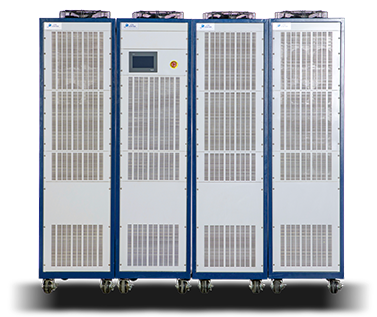
The power amplifier is one of the most impactful upgrade points in any vibration system. Modern digital switching amplifiers provide:
Higher efficiency
Lower distortion
Improved system protection
Continuous operation capability
Compatibility with a wide range of electrodynamic shakers
ETS Solutions offers amplifier replacement programs designed to match new amplifiers to existing shakers from ETS or third-party manufacturers, ensuring full compatibility and performance without replacing the entire system.
Modern ETS MPA and IPA series amplifiers use advanced Class-D switching technology, delivering wide frequency bandwidth, high-speed digital control, and improved operational efficiency compared to legacy designs.
In many retrofit projects, upgrading the amplifier alone significantly improves system performance while extending usable service life.
2. Controller and Software Modernization
The vibration controller is the “brain” of the test system. Upgrading to modern control hardware and software provides:
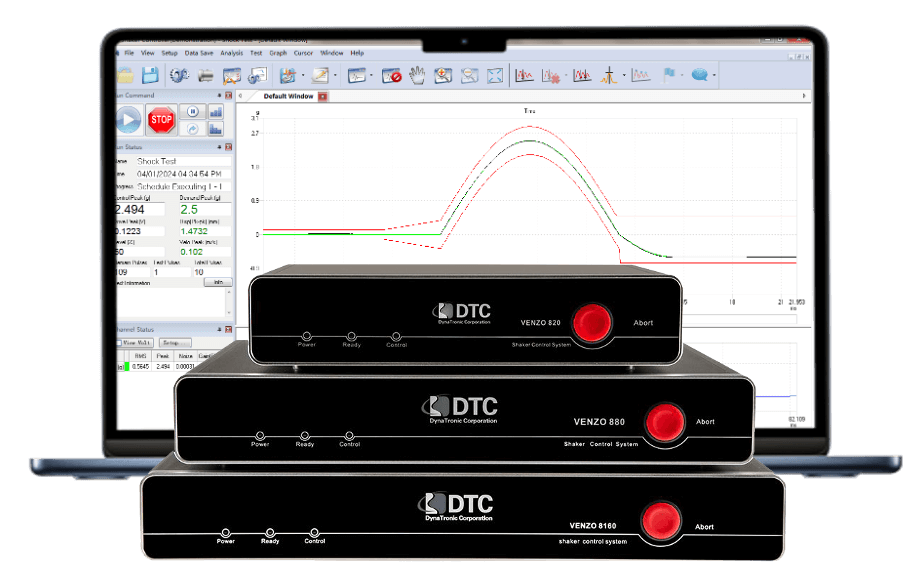
Advanced test profiles (sine, random, shock, mixed modes)
Improved data acquisition and reporting
Faster processing and higher channel capacity
Better integration with modern analysis tools
Compliance with new testing standards
Controllers typically reach technological obsolescence faster than mechanical shaker components, making controller replacement a common retrofit step.
3. Mechanical and Accessory Upgrades
Depending on system age and application requirements, additional retrofit options may include:
Replacement of the armature or rewinding
Slip table modernization
Fixture redesign for higher stiffness
Cooling system upgrades
Environmental chamber integration
Sensor and instrumentation upgrades
These targeted improvements allow older systems to meet new testing demands without full replacement.
When Is the Right Time to Retrofit?
A retrofit becomes the best option when:
The shaker structure is still mechanically sound
Maintenance costs are increasing year after year
New testing requirements exceed current system capabilities
Spare parts for electronics are becoming unavailable
Energy consumption and operating costs are rising
In many labs, retrofitting provides a practical performance upgrade at a fraction of the cost of purchasing a new vibration system.
How ETS Supports Retrofit Projects
ETS Solutions provides structured retrofit programs designed to minimize downtime and ensure full compatibility with existing systems. Services may include:
Site survey and system evaluation
Armature replacement or rewinding
Controller modernization
Calibration and commissioning
Refurbishment of legacy shaker systems
Through its replacement amplifier program and retrofit engineering services, ETS has supported hundreds of upgrade projects worldwide, helping laboratories extend the operational life of their equipment while improving performance and efficiency.
Retrofit vs Replacement: A Practical Decision Framework
Retrofit is typically recommended when:
Mechanical shaker condition remains good
Only electronics or accessories are outdated
Budget optimization is required
Downtime must be minimized
Full replacement is recommended when:
Shaker armature or suspension is severely worn
Required force levels exceed system capability
Structural components are no longer serviceable
An engineering evaluation helps determine the most cost-effective approach.
Key Takeaway
Older vibration test systems do not always need to be replaced. In many cases, strategic upgrades - especially amplifier and controller retrofits - can transform an aging system into a modern, high-performance test platform capable of meeting current standards and future requirements.
Frequent FAQ
Can an old shaker system be upgraded instead of replaced?
Yes. Many shaker systems can be modernized by replacing amplifiers, controllers, and accessories while retaining the mechanical shaker.
What is the most important retrofit upgrade?
Amplifier replacement typically delivers the largest performance and efficiency improvement.
How long can a retrofitted shaker last?
With proper maintenance and modernization, retrofitted systems can operate reliably for many additional years.
Will a new amplifier work with older shakers?
Modern retrofit programs are designed to match new amplifiers to both current and legacy shaker models to ensure compatibility.
Conclusion
Retrofitting provides laboratories with a practical pathway to modernize testing capabilities while protecting existing equipment investments. With structured upgrade programs, system evaluations, and replacement amplifier solutions, ETS Solutions helps customers extend the life, performance, and value of their vibration testing systems.