
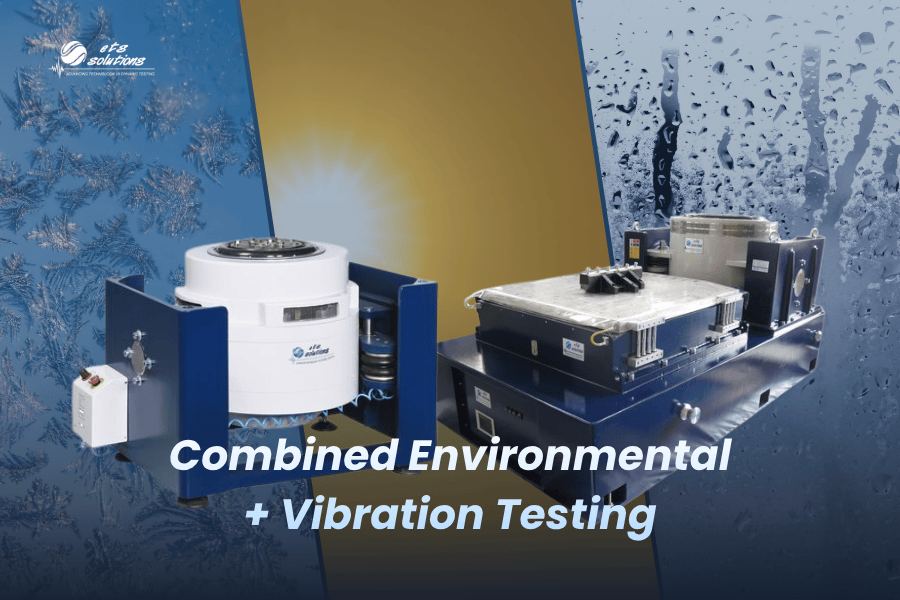
Combined Environmental + Vibration Testing
A battery pack may see vibration on rough roads, heat during charging, cold overnight, moisture in coastal climates, and lower pressure during air transport. An avionics unit may face altitude, rapid temperature change, and vibration in the same qualification program.
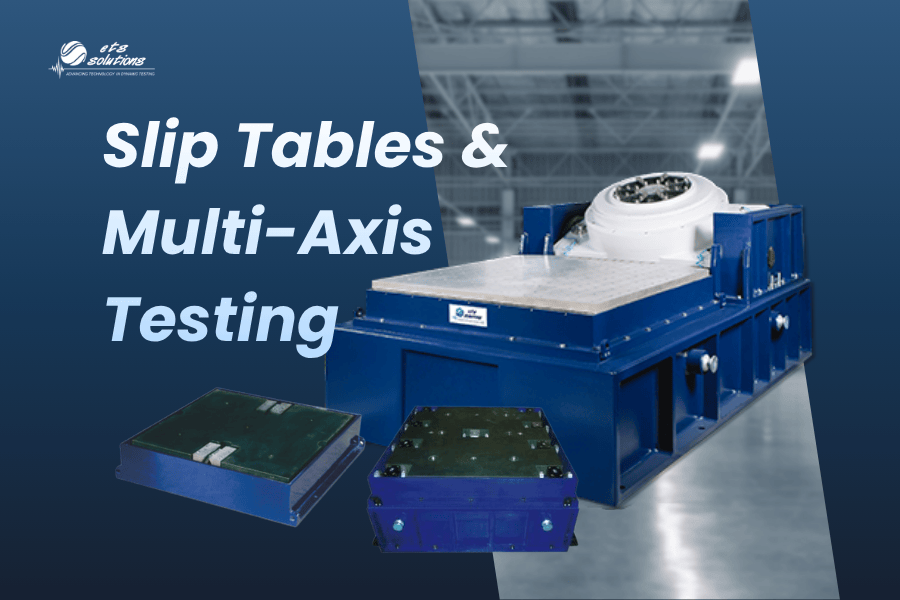
Slip Tables & Multi-Axis Testing: Tips & Tricks
Practical guidance for reliable horizontal and multi-directional vibration testing. Vibration testing is rarely limited to a single direction. In real-world environments—whether in automotive, aerospace, or electronics—products are exposed to forces from multiple axes.
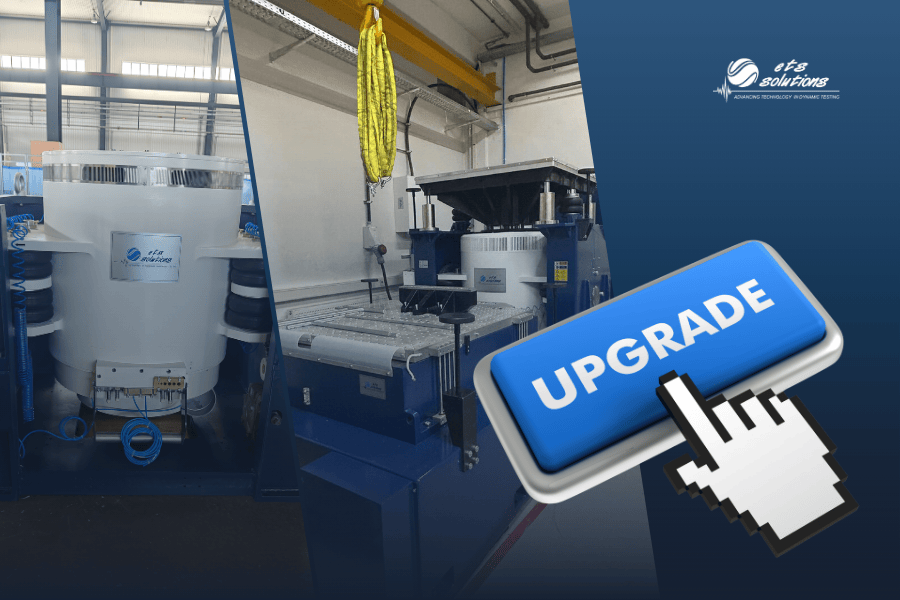
Retrofitting Older Shaker Systems: When & How to Upgrade
Many vibration test laboratories still operate shaker systems installed 10, 15, or even 20 years ago. While the mechanical shaker itself often remains structurally sound, supporting components such as amplifiers, controllers, and accessories can become outdated, inefficient, or difficult to maintain.
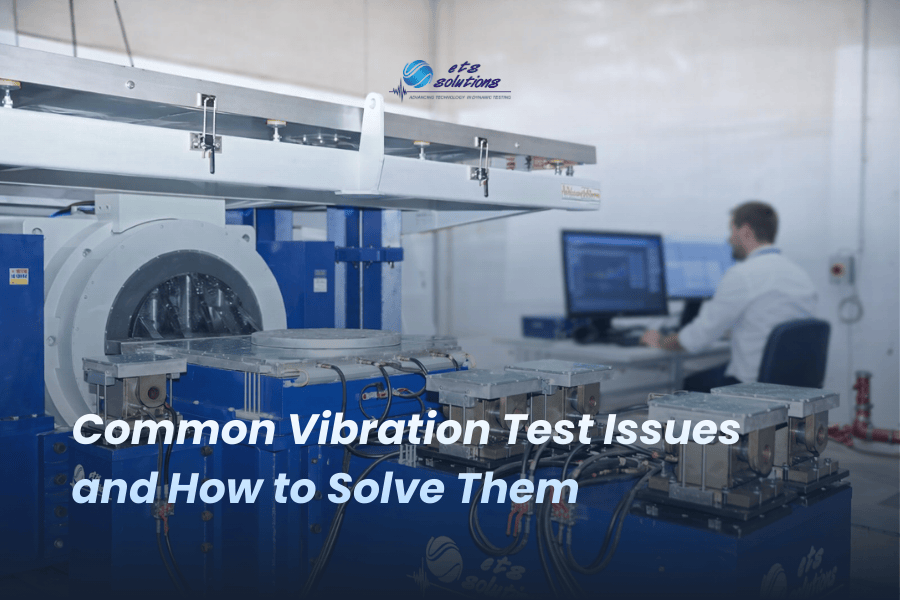
Common Vibration Test Issues and How to Solve Them
Fixture resonances. Noise floor. Cable movement. Data that “looks wrong.” This guide walks through the problems test engineers run into most—and practical fixes that actually work. Vibration testing is supposed to make failures visible. But sometimes the test setup becomes the failure.
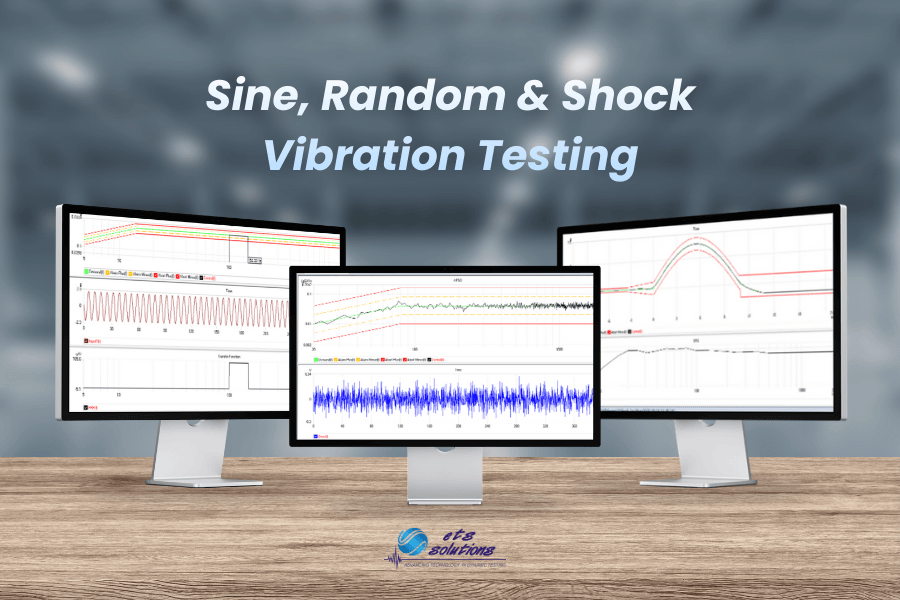
Difference Between Sine, Random & Shock Vibration Testing
A practical guide on when to use each method, why it matters, and how to choose based on what you’re trying to learn. Vibration testing isn’t one single test. In most labs, “vibration testing” usually means one (or a combination) of these three: sine, random, and shock. They look similar on the outside (a test item mounted to a shaker), but they answer different engineering questions and reveal different failure modes.
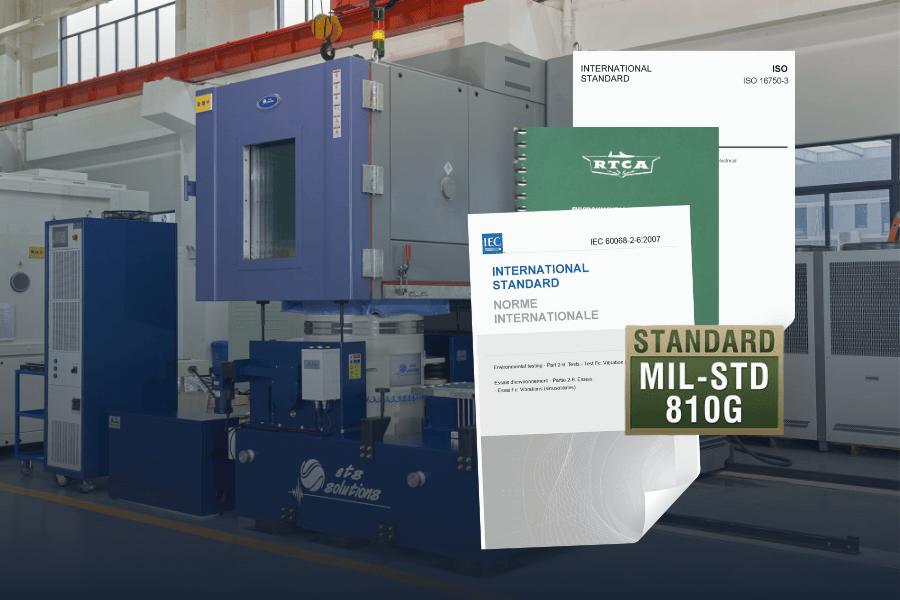
Why Certification Standards Matter in Vibration Testing
In the world of product validation and reliability testing, certification standards are more than just checkboxes—they're a mark of trust, safety, and performance. Whether you're developing aerospace components, automotive systems, or consumer electronics, vibration testing ensures that your products can endure real-world mechanical stress.
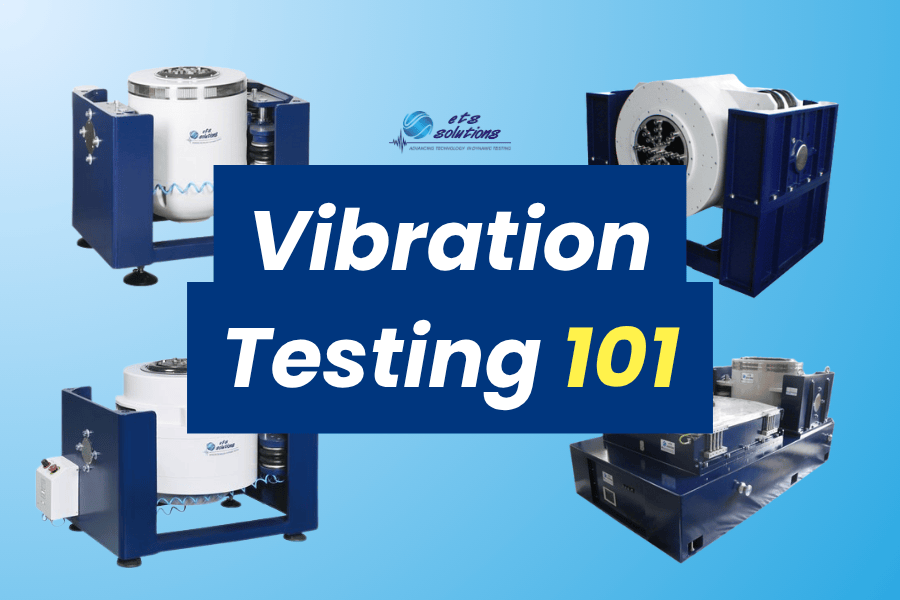
Vibration Testing 101: Key Terms, Units & Methods Explained
If you’re new to the world of vibration testing, welcome! Whether you're working in automotive, aerospace, electronics, or energy—understanding how vibration affects your product is essential to ensuring durability, performance, and compliance with global standards.