
Why Certification Standards Matter in Vibration Testing
Understanding the Value of Compliance in Vibration Testing
In the world of product validation and reliability testing, certification standards are more than just checkboxes—they're a mark of trust, safety, and performance. Whether you're developing aerospace components, automotive systems, or consumer electronics, vibration testing ensures that your products can endure real-world mechanical stress.
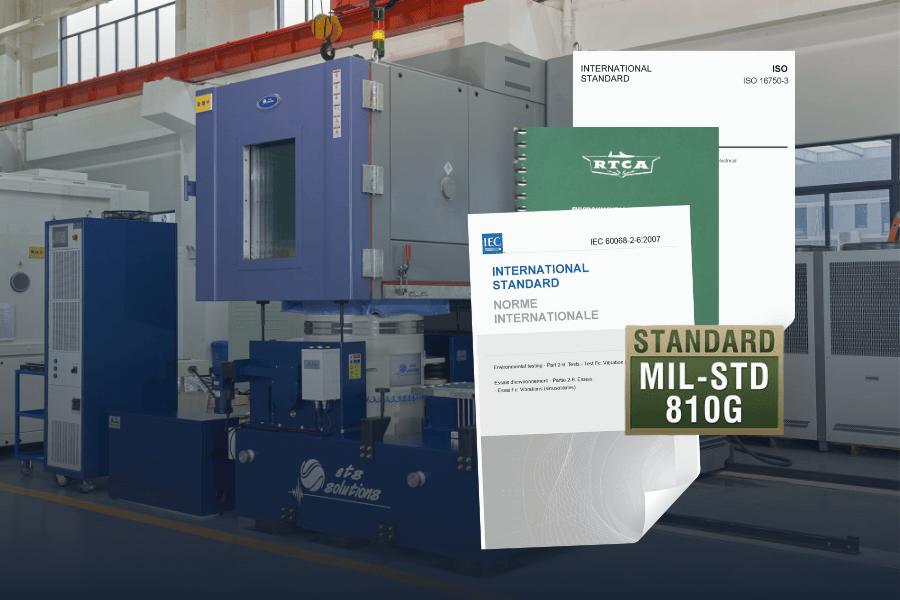
But passing a vibration test isn’t enough. It must be done right, and that means complying with globally recognized standards such as MIL‑STD‑810, ISO 16750, and RTCA DO‑160.
So why do these certification standards matter? And how does ETS Solutions stand out in helping clients meet them?
Let’s dive in.
What Are Vibration Testing Standards?
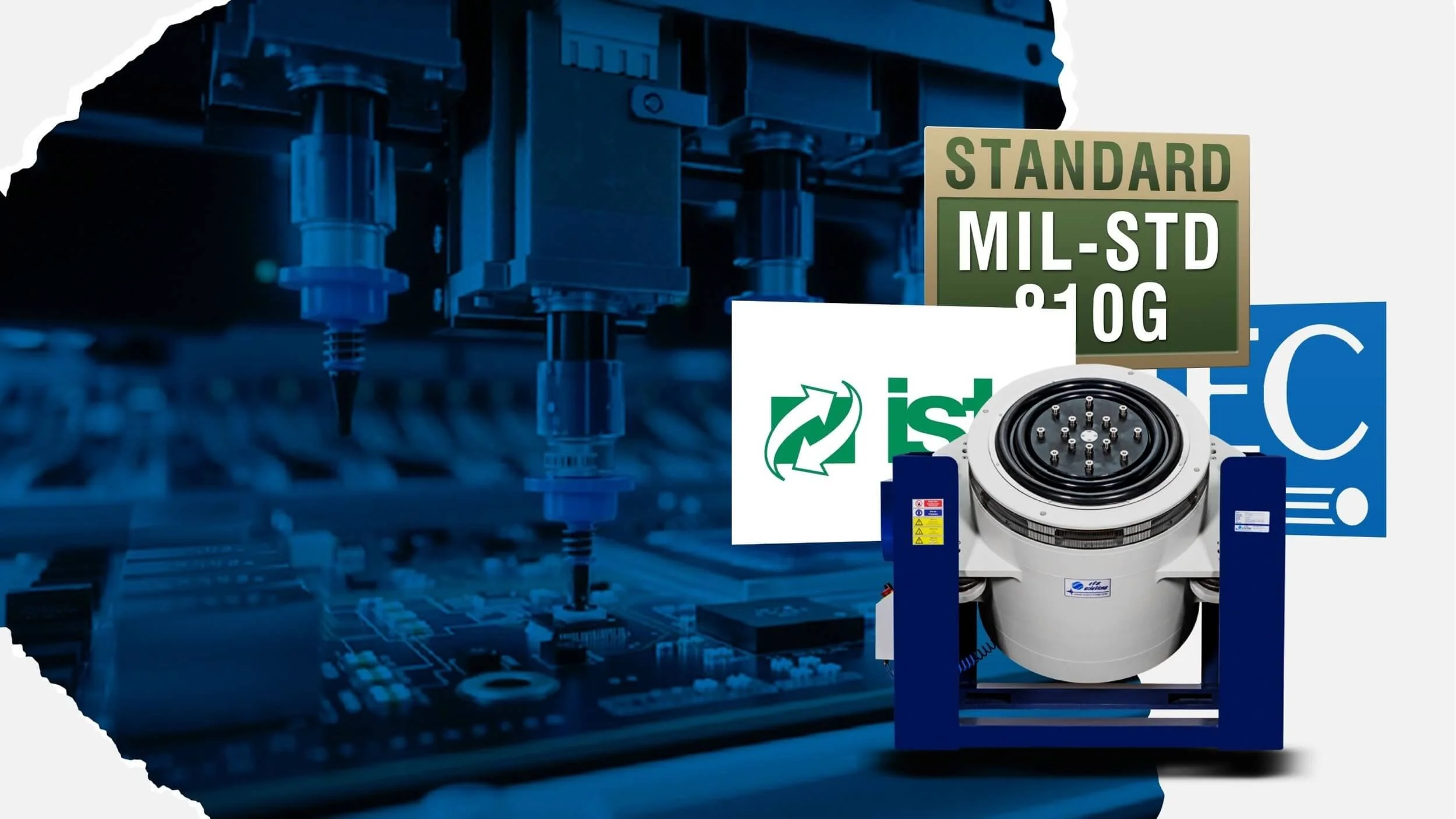
Vibration testing standards provide a structured framework for simulating the mechanical environments a product might encounter during its lifecycle—transportation, operation, or even failure conditions.
Some of the most widely referenced standards include:
MIL‑STD‑810: Issued by the U.S. Department of Defense, this standard evaluates equipment durability under environmental stress, including vibration, temperature, humidity, and shock.
ISO 16750‑3: Designed for automotive electronics, this standard ensures devices can withstand the vibration conditions typical of vehicle use.
RTCA DO‑160: Critical for aerospace equipment, this standard simulates environmental conditions for airborne systems, including vibration, altitude, and temperature extremes.
IEC 60068-2 and ISTA: Cover various mechanical and environmental tests for electronic equipment and packaging.
These standards set clear performance requirements—how much vibration over how long, in which directions, at what frequencies—and ensure consistency across the testing industry.
Why Compliance Is Critical
Product Reliability & Safety
Standards simulate worst-case scenarios to catch design flaws early. Compliance ensures your products don’t just work—but work reliably over time, even in harsh environments.Market Access & Certification
In regulated industries like aerospace, automotive, or defense, non-compliance can be a deal-breaker. If your product doesn’t meet MIL‑STD or DO‑160, it may never be approved for use or sale.Cost & Time Savings
By following certified testing methods, teams avoid rework, warranty claims, or even recalls. Compliance reduces the risk of field failures and accelerates time-to-market with fewer surprises.Global Acceptance
Standards create a universal testing language. Whether you're testing in Germany, Singapore, or the U.S., certified results are recognized and trusted by regulators, partners, and customers worldwide.
How ETS Solutions Supports Certification-Ready Testing
ETS Solutions designs and manufactures high-performance vibration test systems that not only meet, but exceed global testing standards.
Here’s how we support compliance:
✅ Certified Systems
All ETS shakers comply with CE, TÜV SÜD, and adhere to key international standards including:
MIL‑STD‑810G/H
ISO 16750-3
RTCA DO‑160
ASTM, IEC, ISTA, JEDEC, and more
✅ Precision & Repeatability
Our electrodynamic shakers provide precise control over frequency, displacement, acceleration, and force—ensuring reliable test data that aligns with certification thresholds.
✅ Combined Systems
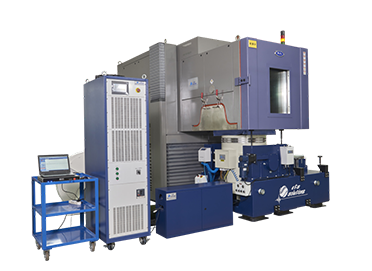
ETS systems can be integrated with climatic chambers, shock tables, and custom fixtures to execute multi-axis or combined environmental tests, which are often required by standards like DO‑160 and ISO 16750.
✅ Scalable for Future Needs
Industries evolve. ETS’s modular platforms adapt to emerging test protocols without needing complete system overhauls. Whether it’s battery durability for EVs or vibration isolation for drones, our systems stay future-ready.
✅ Global Support Network
Need support in Singapore, Germany, or the U.S.? ETS provides installation, training, calibration, and technical service in over 30 countries—crucial for companies operating across borders.
Real-World Applications Across Industries
Aerospace: Simulate jet engine and flight-induced vibrations to meet DO‑160 compliance.
Automotive: Perform powertrain, suspension, and battery module tests according to ISO 16750 and OEM-specific protocols.
Defense: Validate mission-critical equipment using MIL‑STD‑810G test profiles, including transport and operational vibration.
Electronics: Ensure consumer electronics withstand shipping and operational stress using IEC 60068-2 and ISTA standards.
Certification Isn't Optional—It's Strategic
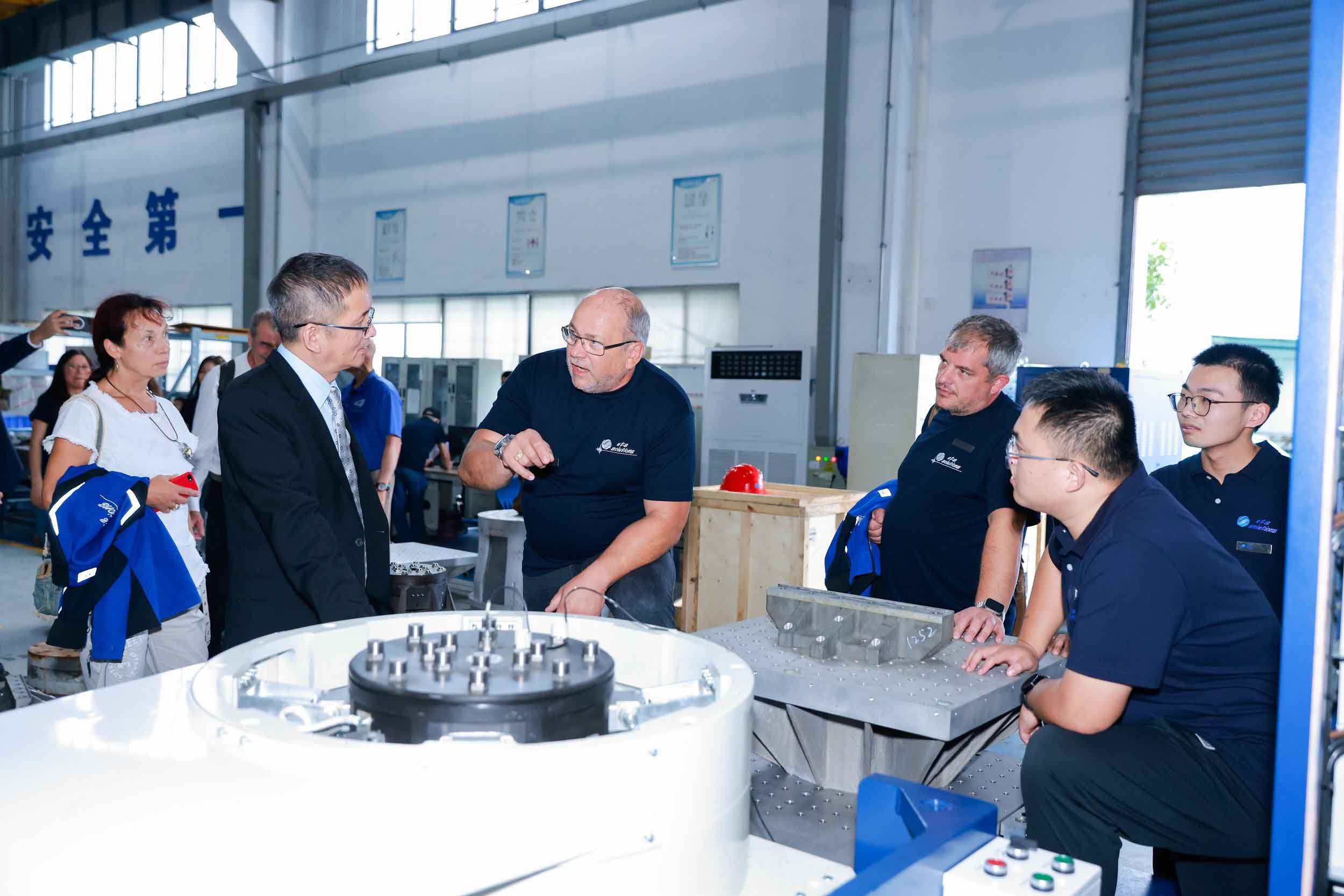
Vibration testing certifications aren’t just for passing audits—they’re essential to product success, user safety, and business growth.
ETS Solutions empowers manufacturers and test labs with:
Certification-ready systems
Trusted compliance support
Uncompromising performance and reliability
Whether you’re navigating your first DO‑160 test or upgrading your lab to handle MIL‑STD profiles, ETS is your global partner in testing excellence.
Ready to Meet the Standards That Matter?
📞 Get in touch with our team today to explore vibration test systems designed for compliance, performance, and future scalability.