
Difference Between Sine, Random & Shock Vibration Testing
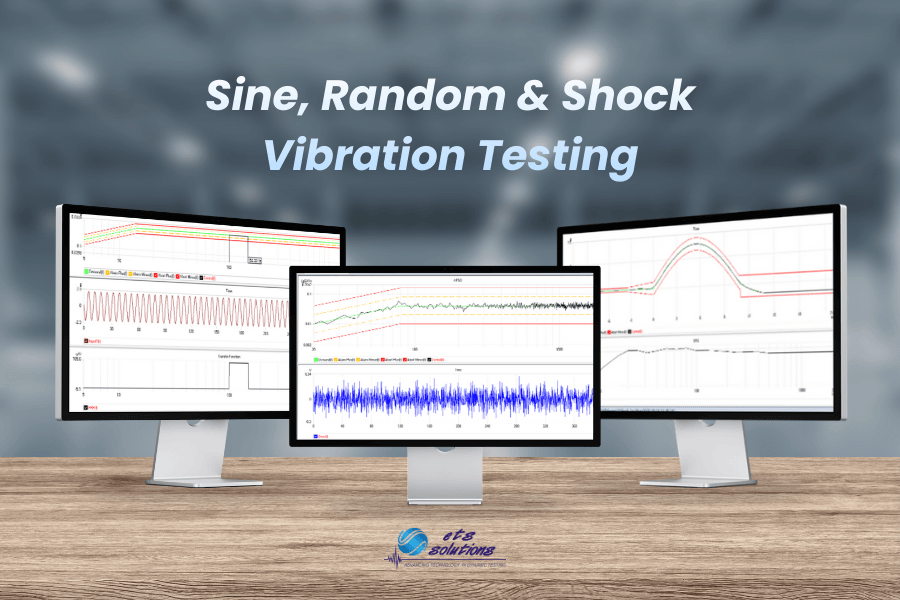
A practical guide on when to use each method, why it matters, and how to choose based on what you’re trying to learn.
Vibration testing isn’t one single test. In most labs, “vibration testing” usually means one (or a combination) of these three: sine, random, and shock. They look similar on the outside (a test item mounted to a shaker), but they answer different engineering questions and reveal different failure modes.
This guide explains what each test is best at, when to use it, and common use cases—written for engineers who want to pick the right method fast, then go deeper when needed.
Quick decision guide (start here)
Choose Sine when you want to:
Find resonances and see how response changes vs frequency (sweeps).
Do a diagnostic test or compare design changes.
Reproduce a known tonal vibration source (e.g., rotating machinery).
Choose Random when you want to:
Simulate “real-world” multi-frequency vibration (transport/road/aircraft environments).
Excite many resonances at the same time, including interactions. Random vibration is commonly used for this because it excites a frequency band simultaneously.
Choose Shock when you want to:
Simulate drop, impact, bump, collision, or sudden handling events. Shock is defined by a rapid change of velocity over time and a short-duration pulse.
If you’re unsure:
Start with a low-level sine sweep to locate resonances and check fixturing.
Use random to do the main durability screening.
Add shock if the product sees drops/impacts or handling events.
1) Sine vibration testing
What it is:
Sine vibration applies vibration at one frequency at a time (or sweeps through a frequency range). It’s controlled and repeatable, which makes it great for identifying dynamic behavior and debugging problems.
What sine is best at:
Resonance finding: “Where does the product amplify vibration?”
Design diagnosis: A small change in bracket thickness, fastener torque, or material often shows up clearly on a sine sweep.
Tonal environments: Fans, motors, pumps, engines, compressors—many produce vibration with strong tonal components.
Typical use cases:
Automotive: engine orders, component resonance checks, bracket validation
Aerospace/defense: resonance surveys before random qualification
Industrial equipment: rotating machinery, HVAC assemblies, sensors mounted near motors
Electronics: resonance checks on PCB assemblies before broader random tests
Practical notes engineers care about:
Sine is “focused.” It excites one frequency at a time, so it may miss failures caused by multiple resonances interacting. That’s a key reason random is often used for durability screening.
A sine sweep is often the fastest way to validate that your fixture is stiff enough and that you’re not testing the fixture instead of the product.
2) Random vibration testing
What it is:
Random vibration applies vibration energy across a band of frequencies at the same time, using a defined spectrum (often shown as PSD vs frequency). It’s widely used because many real environments—road transport, aircraft vibration backgrounds, shipping—are broad-spectrum.
What random is best at:
Real-world simulation: broad frequency content can be closer to actual field vibration than single-frequency testing.
Durability screening: random can excite multiple modes simultaneously, which can reveal fatigue and “interaction” failures that a sine test might not expose.
Qualification to standards: Many environmental standards and programs use random as the core vibration method (with tailoring to the product environment).
Typical use cases:
Transportation: packaging/handling vibration profiles, truck/rail/air cargo vibration
Aerospace: equipment mounted in aircraft/airframe vibration environments
Electronics & industrial controls: connector fretting, solder fatigue, cable/strain relief issues
EV/batteries: module and pack durability under road-like vibration
Practical notes engineers care about:
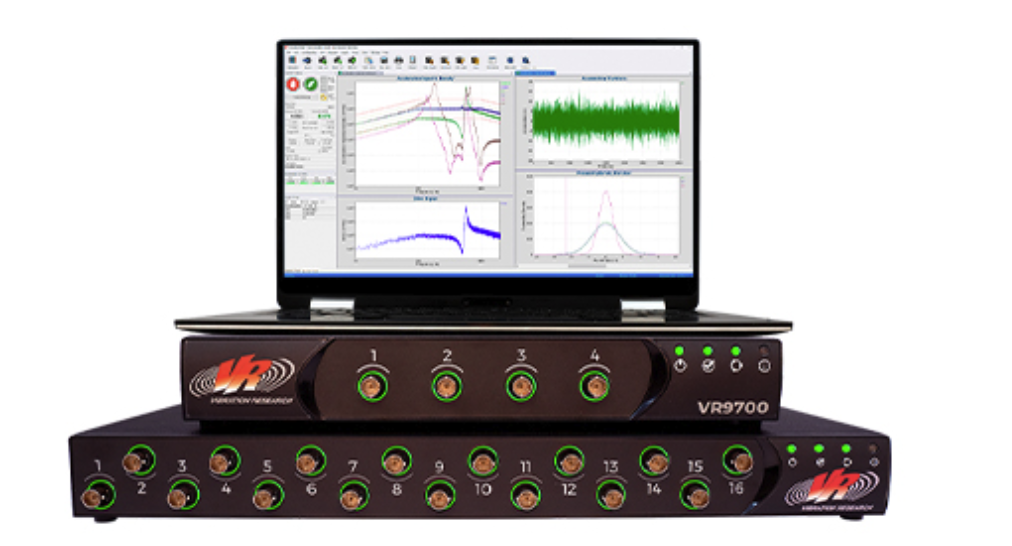
Random test success depends heavily on control strategy, fixture dynamics, and sensor placement. A “perfect” PSD on the controller doesn’t guarantee the DUT is seeing what you think—especially with large fixtures.
Random is where slip tables and proper guidance/bearing systems matter most for horizontal testing (to keep the motion controlled and avoid side-loading).
3) Shock vibration testing
What it is:
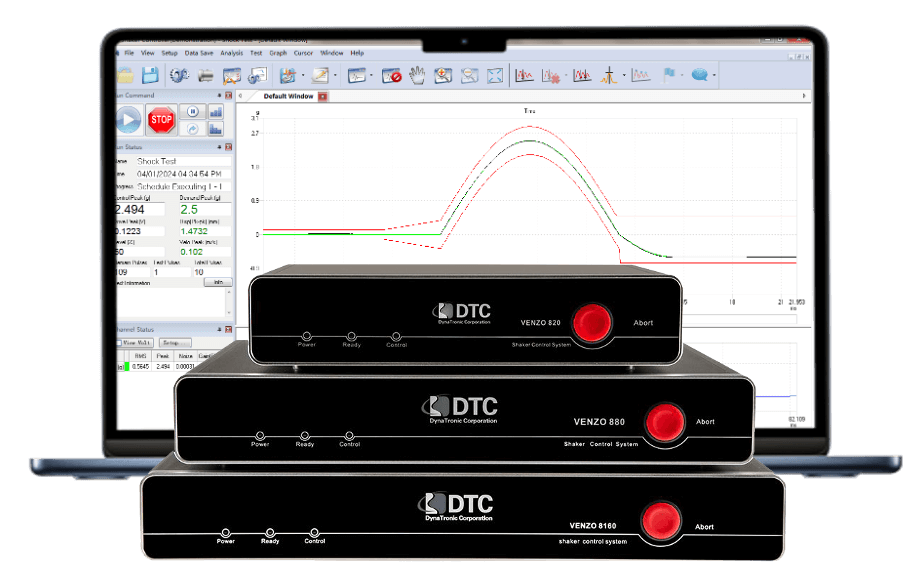
Shock testing simulates a short, high-energy event—usually defined as a pulse shape (e.g., half-sine, trapezoidal), peak acceleration (g), and duration (ms). Classical shock pulses like half-sine are widely used to represent impacts and handling events.
What shock is best at:
Handling and impact events: drops, bumps, docking/undocking impacts, transportation hits.
Structural weakness discovery: cracks, latch failures, connector disengagement, brittle component issues
SRS-driven requirements: When a program specifies shock severity via Shock Response Spectrum (common in aerospace/defense)
Typical use cases:
Consumer electronics: drop/impact-like events (handled via shock machines or drop towers depending on requirement)
Automotive: bump events, curb hits, handling impacts during assembly and transport
Aerospace/defense: equipment shock requirements, transport/handling shock, certain shipboard shock programs
Practical notes engineers care about:
Shock is not “more aggressive vibration.” It’s a different phenomenon: short duration + high rate of change, with effects that depend on pulse shape and duration.
Picking the pulse shape matters. Half-sine is common because it transitions smoothly and is often used to study mechanical response.
When to use which (real examples)
Example A: You’re seeing failures in shipping
Start with random vibration using a transport profile (broadband).
Add shock if there are drops/handling hits in the logistics chain.
Use sine if you suspect a specific resonance causing repetitive rubbing or cracking.
Example B: New product, unknown dynamic behavior
Start with sine sweep (low level) to find resonances and fixture issues.
Run random for durability screening.
Add shock if the product will be dropped, bumped, or sees impact in service.
Example C: Motor-driven assembly (tonal vibration)
Use sine (or sine-on-random if the environment has both tonal + broadband components—common in some standards).
Use random if the real environment also includes broadband vibration (e.g., vehicle road input).
Common mistakes (and how to avoid them)
Using sine as a “durability equivalent” to random
Sine can be useful, but it won’t excite a frequency band simultaneously, so it can miss interaction failures.Ignoring fixture dynamics
A flexible fixture can dominate the test. A quick sine survey often prevents weeks of confusing results.Picking shock based only on “g-level”
Shock severity depends on pulse shape + duration (and often SRS requirements), not just peak g.Not matching the method to the failure mode
Fatigue/fretting issues often show up in random
Resonance-driven issues often show up in sine
Latch/connector disengagement from impacts often shows up in shock
How ETS helps you choose (and build the right setup)
Selecting the test method is step one. Step two is choosing the right system configuration so the test is controllable and repeatable:
Electrodynamic shaker sizing based on payload, required acceleration/velocity/displacement
Slip table compatibility for horizontal testing, plus guidance/bearing selection
Fixtures and head expanders to mount real products safely
Optional combined environments (vibration + temperature) when thermal stress and vibration happen together in service
See also:

FAQ (AI-friendly, quick answers)
Is random vibration always better than sine?
No. Random is great for broadband simulation and durability screening, but sine is still the best tool for resonance identification and troubleshooting.
Do I need shock testing if I already do random?
If your product experiences drops, bumps, or impacts, yes—shock targets a different real-world condition than random vibration.
What’s the best order to run tests?
Common workflow: sine survey → random durability/qualification → shock (if required).
Need help? Get in touch with us today!